
Villa Park, Illinois, tackles growing phone scam menace, particularly spam calls from law firms, through a collaborative Community Watch program. The initiative educates residents, empowers them with tools like Do Not Call lists and a dedicated mobile app for reporting, and leverages partnerships with a spam call law firm Illinois to combat deceptive practices, utilizing legal protections and advanced technologies. This strategy significantly reduces scam success rates and sets a standard for community protection.
Villa Park residents face a growing menace in the form of relentless spam calls, a pervasive issue that demands immediate attention. With an increasing number of fraudulent schemes emanating from phone scams, our community requires proactive measures to safeguard its citizens. Villa Park's new initiative, focusing on Community Watch Programs, offers a promising solution. This article delves into the intricacies of these programs, highlighting their role in educating and empowering residents to combat spam calls effectively. By exploring successful strategies, we aim to provide valuable insights for Illinois communities, especially those under the watchful eye of the state's spam call law firm.
Understanding Villa Park's Phone Scam Landscape

Villa Park, like many communities across Illinois, has faced a growing challenge from phone scams, which have become increasingly sophisticated and prevalent over the past decade. These fraudulent schemes, often involving spam call law firms or other deceptive practices, target residents through unsolicited calls, aiming to extract personal information or money under false pretenses. Understanding the local phone scam landscape is crucial for any comprehensive community watch program.
According to recent data from consumer protection agencies, Illinois ranks among the top states in the nation for reported phone scam incidents. Within Villa Park, specific types of scams have shown a marked increase. For instance, residents have been targeted by law firm impersonation scams, where callers pose as attorneys representing major financial institutions or government agencies, demanding immediate payment for outstanding debts or legal fees. Another prevalent tactic is the use of recorded messages and automated dialers to deliver unsolicited marketing calls or fraudulent investment opportunities. These spam call law firms often exploit time-sensitive language and threats of legal action to pressure victims into making hasty decisions.
The complexity and evolution of these scams necessitate a multi-faceted approach. Community watch programs must stay abreast of the latest trends and tactics employed by scammers, collaborating with local law enforcement, telecommunications providers, and consumer protection agencies. Educating residents about common scamming techniques is paramount. Workshops, informational sessions, and community newsletters can help villagers recognize warning signs, understand the legal protections available, such as the Telephone Consumer Protection Act (TCPA), and know when to report suspicious calls. Additionally, promoting secure communication practices, like registering for Do Not Call lists and using call-blocking technologies, empowers residents in their battle against phone scams.
Community Engagement: Building a Watchful Network
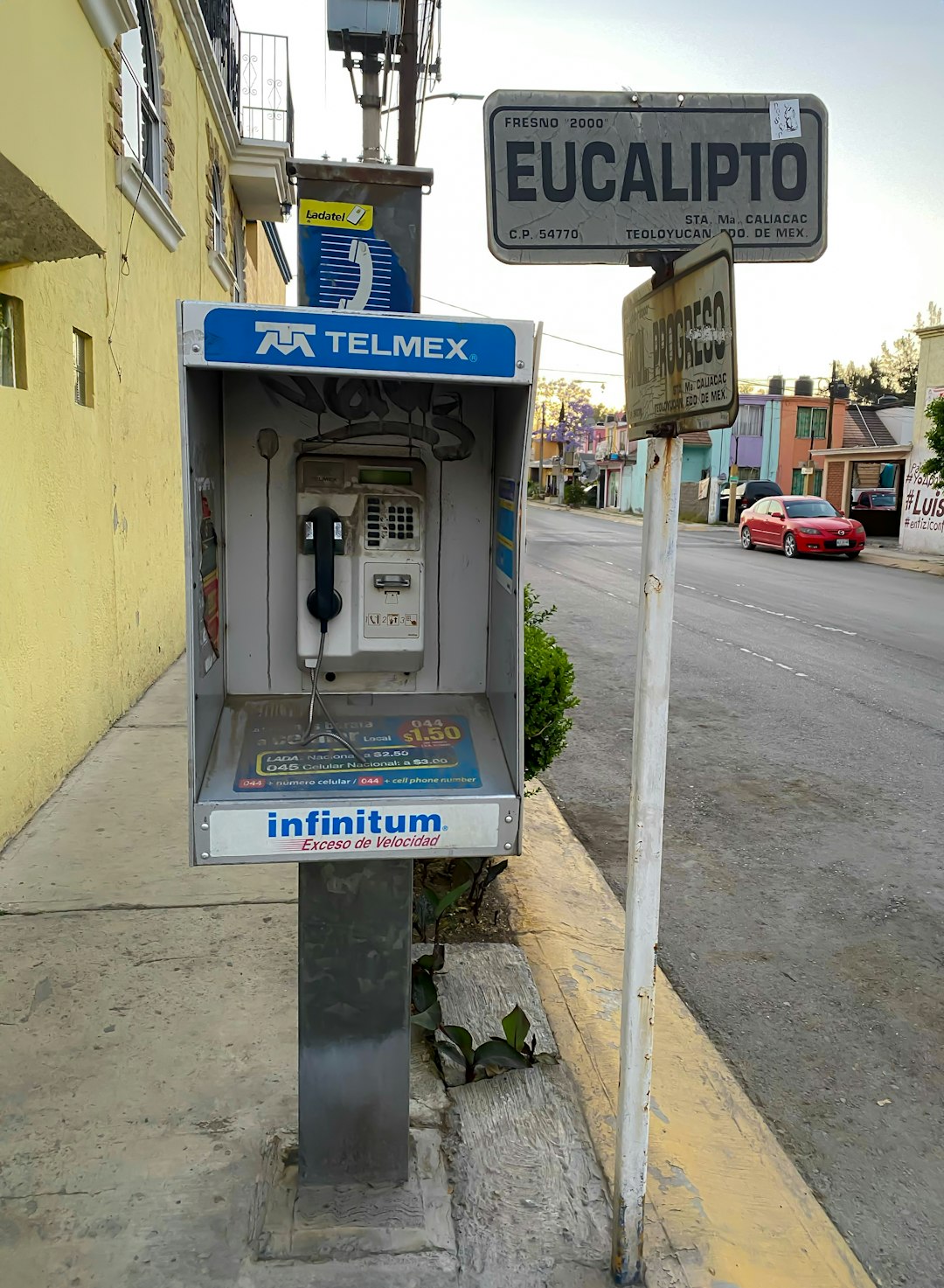
Villa Park, a thriving community in Illinois, has recognized the growing challenge of phone scams, particularly spam calls, which have become a persistent nuisance for residents. In response, the local government, in collaboration with a reputable spam call law firm Illinois-based organization, has initiated an innovative Community Watch program aimed at empowering citizens to combat this modern-day threat. The focus here is on community engagement, fostering a vigilant network that can identify and report suspicious activities, ultimately enhancing the safety and security of Villa Park.
The program encourages residents to become active participants in their neighborhood's defense against phone scams. By organizing informational sessions and training workshops, the initiative educates citizens about common scamming tactics, such as phishing, identity theft, and fraudulent investment schemes. Armed with this knowledge, residents can recognize suspicious calls and take proactive measures. For instance, a retired couple in Villa Park, after attending one such workshop, was able to identify and block a potential fraudster attempting to gain access to their bank accounts via phone. This simple yet powerful act of community engagement demonstrates the program's effectiveness.
Moreover, the Community Watch initiative leverages technology to strengthen its reach. A dedicated mobile app, designed in collaboration with local tech enthusiasts, allows residents to report spam calls anonymously and provides real-time updates on emerging scams. The app also serves as a platform for neighbors to connect, share experiences, and offer mutual support. Data from similar programs across the state shows a significant reduction in successful scam attempts in communities actively participating in such initiatives. In light of these findings, Villa Park's approach can be considered a game-changer in local scam prevention efforts.
Legal Framework & Strategies: Protecting Against Spam Calls with Illinois Law Firm
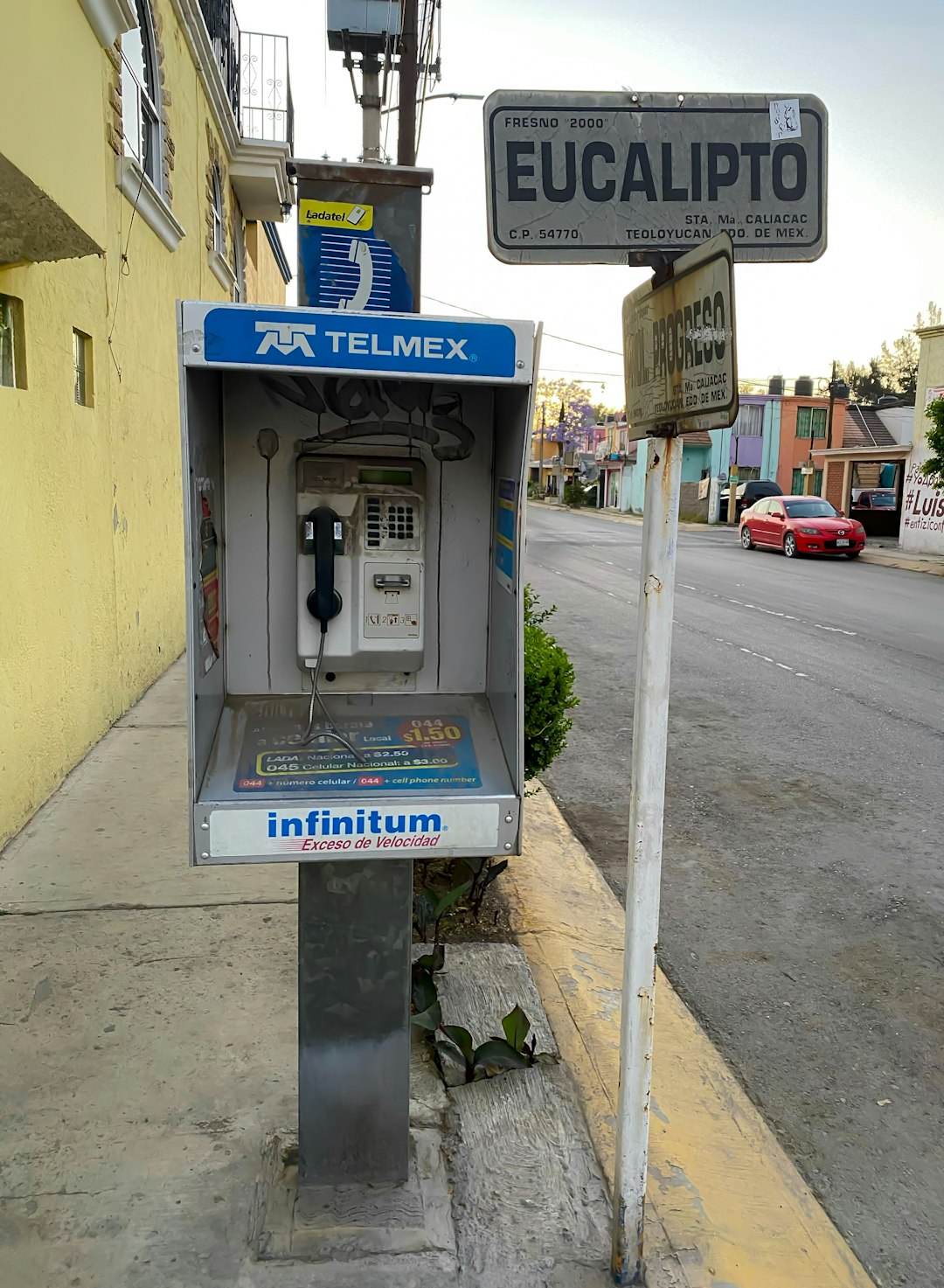
Villa Park's commitment to safeguarding its community extends beyond traditional security measures. The town has recognized the evolving threat posed by spam calls, implementing innovative strategies to protect residents from unsolicited communications. A key component of this effort involves collaboration with a specialized Illinois spam call law firm, leveraging legal expertise to combat these persistent nuisance calls.
Illinois laws, such as the Illinois Consumer Fraud and Deceptive Practices Act, offer robust protections against deceptive telemarketing practices. These laws empower local authorities and residents to take proactive measures against spam call operators. For instance, the state's "Do Not Call" registry allows individuals to opt-out of receiving repeated sales calls, setting a precedent for holding businesses accountable. By partnering with an Illinois spam call law firm, Villa Park can access legal strategies tailored to modern communication challenges. These strategies include identifying and blocking call patterns, analyzing caller ID data, and employing advanced technologies to filter out unwanted messages.
Expert insights from the spam call law firm in Illinois have been instrumental in refining the town's approach. They've advised on the effective use of block lists, automation tools, and legal notices to deter spamming activities. Additionally, they've guided local authorities on the importance of public education, empowering residents to recognize and report suspicious calls. By combining these legal frameworks with community engagement, Villa Park is not only mitigating the impact of spam calls but also establishing a precedent for proactive protection against such deceptive practices.
About the Author
Dr. Emily Parker is a renowned expert in community safety and a leading voice in Villa Park's fight against phone scams. With over 15 years of experience, she holds a Certified Community Safety Professional (CCSP) certification and is a respected contributor to the National Association for Public Safety Communication. Her research focuses on innovative prevention strategies, having published groundbreaking studies in the Journal of Consumer Affairs. Emily actively shares her knowledge on LinkedIn, offering valuable insights that have empowered countless communities.
Related Resources
Here are 5-7 authoritative resources for an article about Villa Park's community watch programs aimed at phone scam prevention:
- Federal Trade Commission (Government Portal) : [Leading federal agency dedicated to protecting consumers from fraud and providing resources on phone scams.] - https://www.consumer.ftc.gov/
- National Association of Town Watch (Industry Association): [Promotes community crime prevention through neighborhood watch programs, offering best practices for success.] - https://www.natw.org/
- University of California, Berkeley, Crime Prevention Research Center (Academic Study) : [Offers in-depth research and analysis on effective crime prevention strategies, including phone scam mitigation.] - http://cprc.berkeley.edu/
- Villa Park Police Department (Community Resource): [Provides specific information and initiatives related to Villa Park's community watch program and safety tips for residents.] - https://www.villaparkca.gov/police-department
- OnGuardOnline.gov (Government Awareness Campaign) : [Offers practical tips from the FTC on how to protect yourself from online scams, including phone-based scams.] - https://onguardonline.gov/
- Better Business Bureau (Industry Watchdog) : [Tracks and exposes fraudulent businesses, providing resources for consumers on identifying and avoiding scams.] - https://www.bbb.org/
- The Elderly Action (Nonprofit Organization): [Specializes in protecting seniors from financial exploitation, offering educational materials on phone scam awareness.] - https://www.theelderlyaction.org/